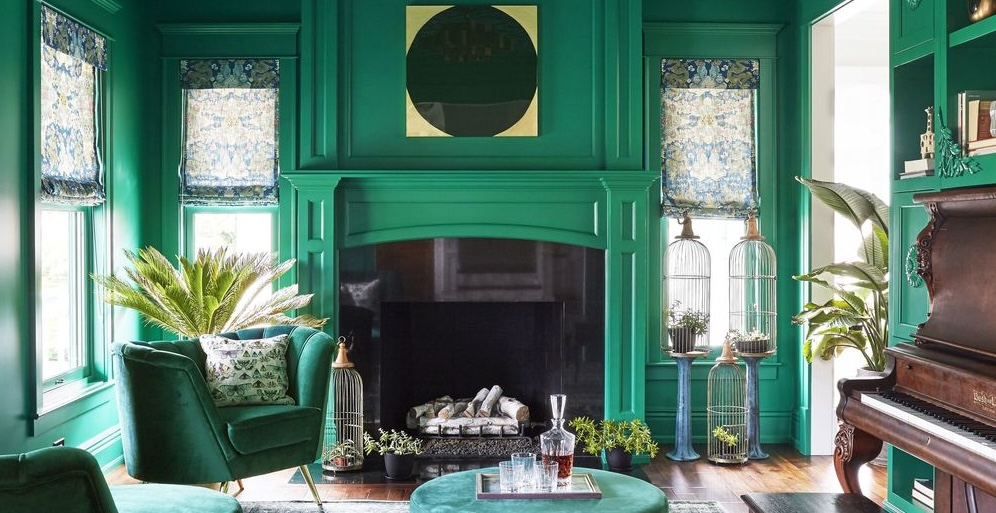
As the seasons begin to shift, so do the ways we live in our spaces. Warmer weather invites a natural transition—windows open, light lingers longer, and the boundaries between indoors and out begin to soften.
In the River North Design District, our members approach this seasonal shift with both creativity and intention, designing spaces that feel as effortless as they are functional. From material selections to architectural strategies, these ideas are rooted in creating continuity, comfort, and connection.
We asked our members to share how they design spaces that transition seamlessly into warmer weather. Keep reading for thoughtful insights and inspiration to help you reimagine your home for the season ahead.
Brick as a Transitional Material
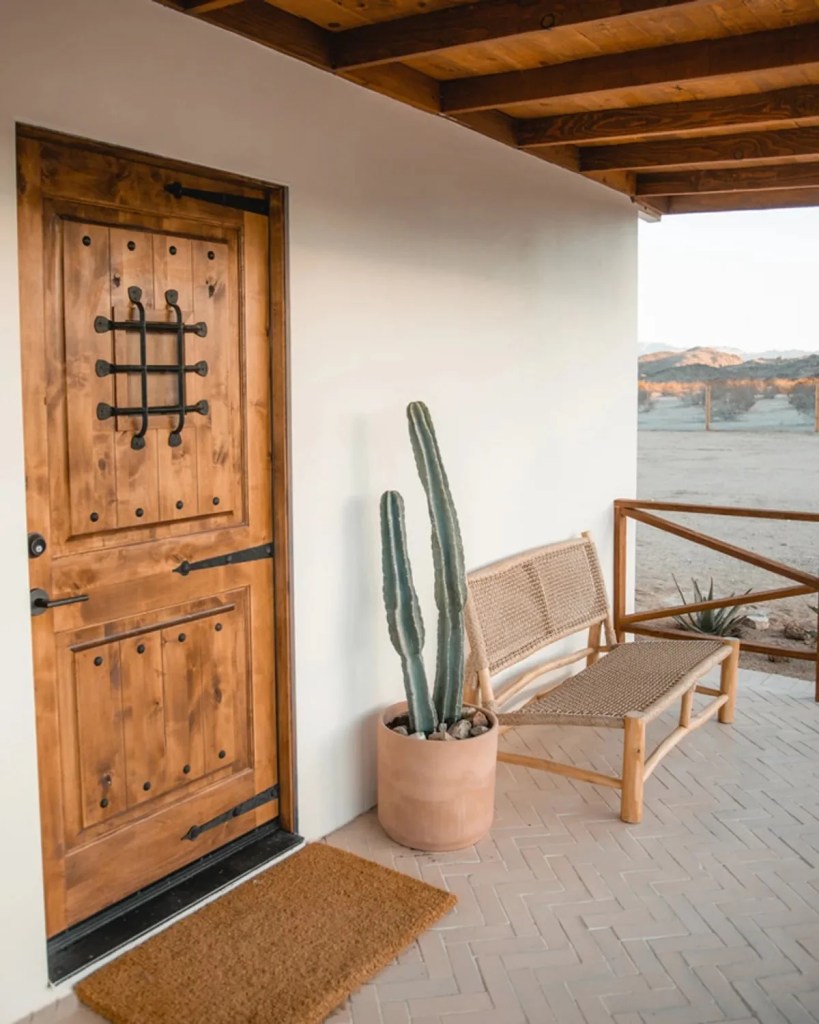
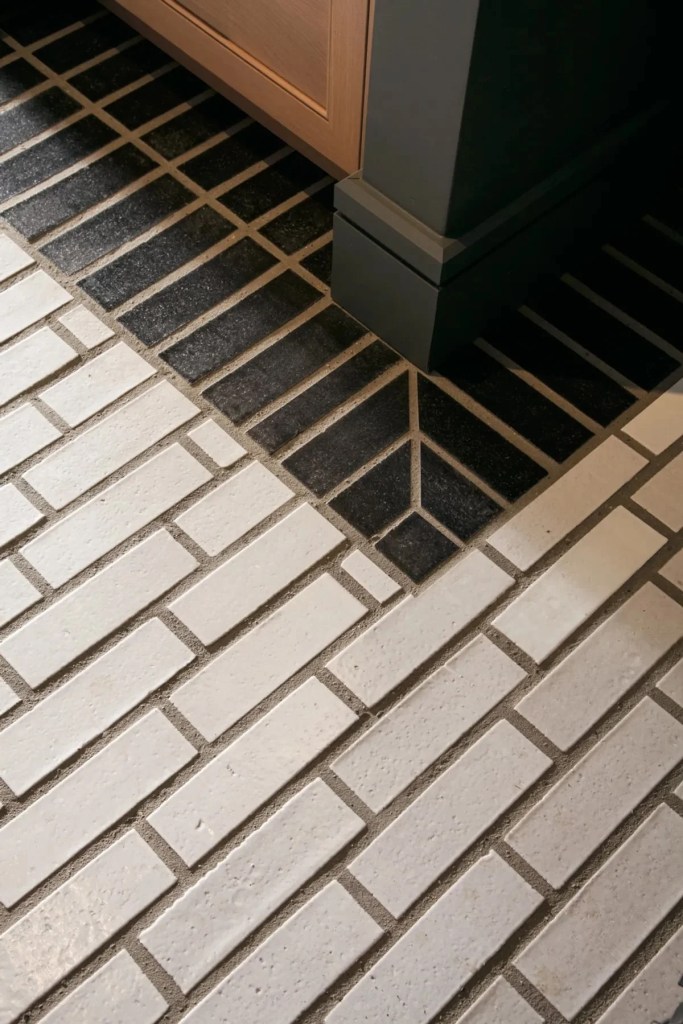
Brick is a natural choice for spaces that extend outdoors, offering a balance of durability and design. Whether in a cozy cottage or an industrial loft, a brick floor introduces texture and depth, creating a grounded, architectural foundation. Its ability to withstand both freezing temperatures and extreme heat also makes it well-suited for exterior applications like patios and stairs, allowing for a seamless material transition between indoors and out.
Fireclay Tile’s Glazed Thin Brick builds on this versatility with a rich, thoughtfully curated palette inspired by the National Parks and sustainably manufactured at their California factory. Available in two sizes—standard and elongated Norman—and over 35 colorways, it offers flexibility for a range of design styles. Fireclay Tile also donates 1% of proceeds to the National Parks Conservation Association, reinforcing a commitment to both design and environmental stewardship.
Visit the Fireclay Tile showroom to explore this timeless, adaptable material in person.
Let the Outdoors In

As homes begin to open up for warmer months, the way interior spaces connect to the outdoors becomes essential to how they are experienced. Large-format windows and door systems allow natural light to extend deeper into the home while maintaining uninterrupted sightlines to the surrounding landscape. Whether framing a quiet bedroom view, creating a direct transition to a private terrace, or fully immersing a living space in its natural surroundings, these openings redefine the relationship between inside and out.

At Glenview Haus, this approach is realized through their Inicio window and door systems—designed to deliver expansive glass with refined, minimal profiles. Beyond the visual impact, these systems are engineered to maintain interior comfort across seasons, allowing homes to feel open and connected in warmer weather while remaining protected and efficient year-round. The result is a seamless balance between exposure and comfort, where architecture enhances both the experience of the outdoors and the livability of the interior.
Visit Glenview Haus online to see more window and door options.
The Power of Airflow

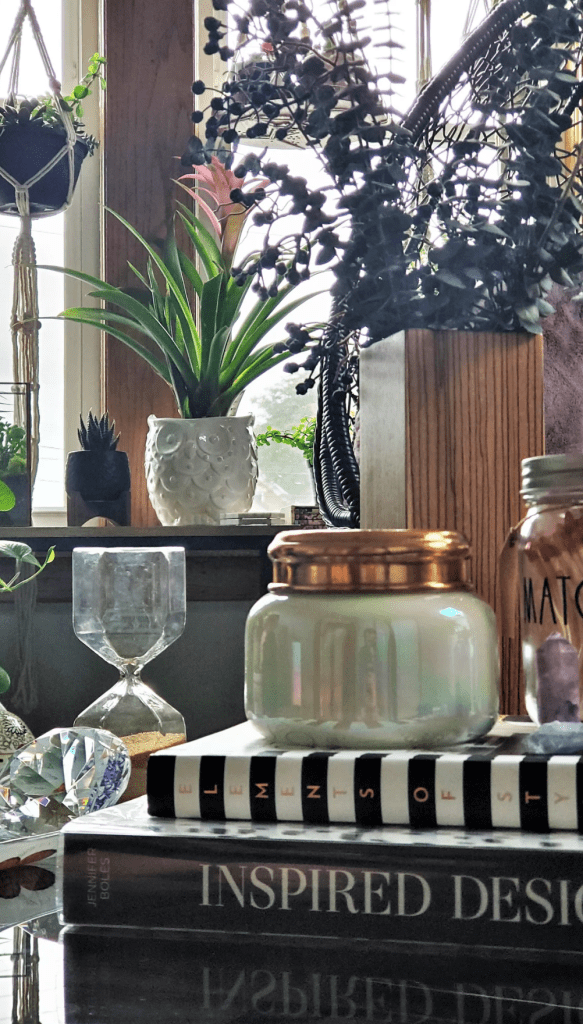
Designing spaces that transition seamlessly into warmer weather starts with embracing natural light and airflow, as seen in the Sarah Jacquelyn Interiors wellness room, where large windows invite sunshine to fill the space. Simply opening windows allows fresh air to circulate, instantly creating a lighter, more breathable environment that supports both comfort and well-being. By layering in light, bright, and airy elements like soft textiles, greenery, and an open layout, the room effortlessly shifts with the seasons while maintaining a calming, restorative feel.
To see more design inspiration from Sarah Jacquelyn Interiors visit her online.
Bring Nature Into the Narrative
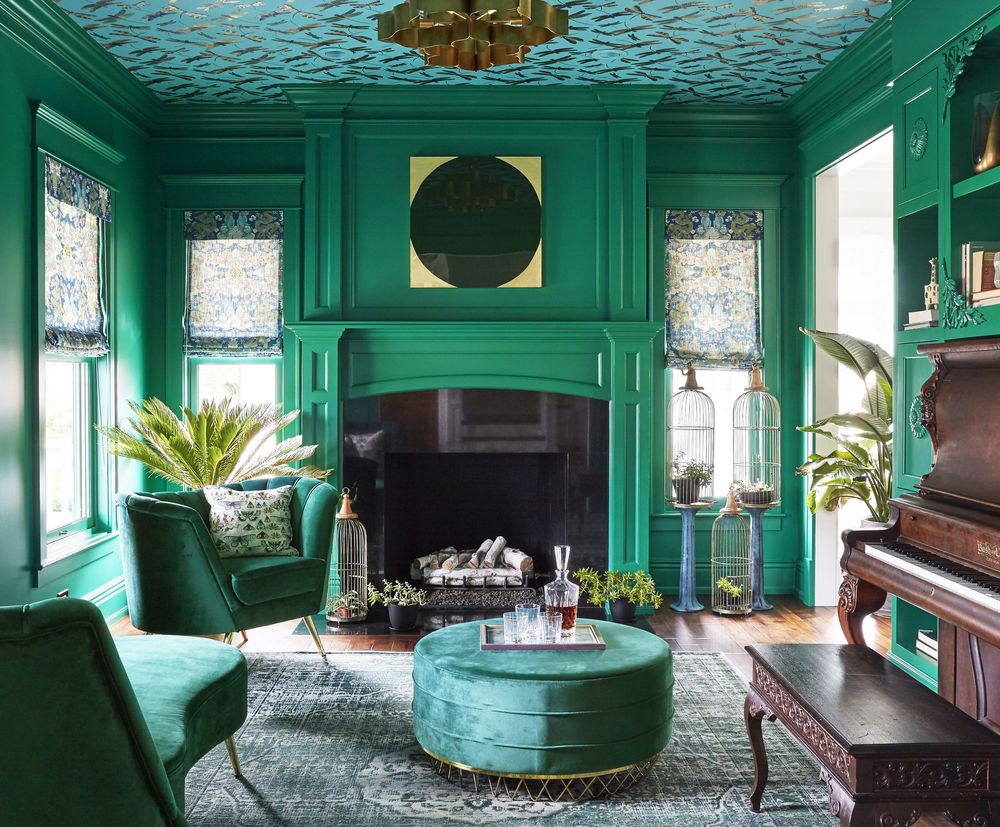
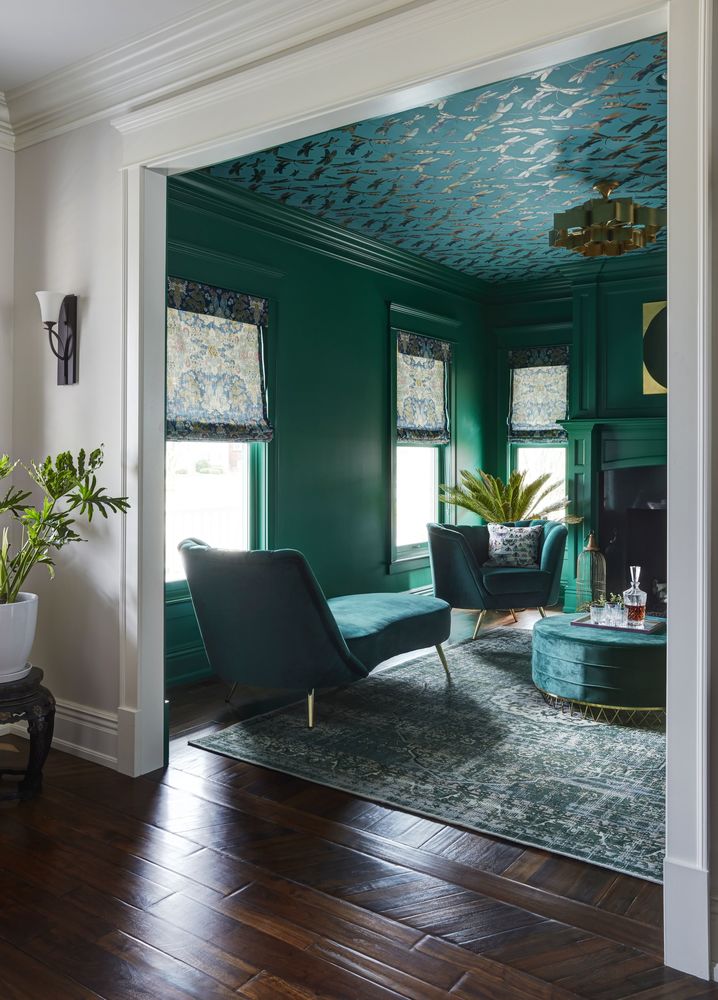
As warmer weather arrives, interiors often feel most inviting when they reflect the energy and vibrancy of the natural world. At Jasmin Reese Interiors, this connection is expressed through bold, layered spaces filled with organic motifs, expressive color, and living elements that bring warmth and personality into the home. Nature-inspired prints, botanical patterns, sculptural greenery, and richly textured materials create interiors that feel alive, playful, and deeply connected to their surroundings.
Rather than treating plants and natural references as accessories, Jasmin Reese Interiors incorporates them as an essential part of the overall experience of the space. Lush greenery softens architectural lines, introduces movement, and helps blur the boundary between indoors and out, especially during the warmer months when homes naturally become more open and connected to the environment. Paired with the studio’s signature use of vibrant pattern and fearless color, these living elements create spaces that feel energetic, immersive, and effortlessly seasonal.
To start the conversation with Jasmin about your next design project connect with her online.

Seamless Kitchens Through Integration
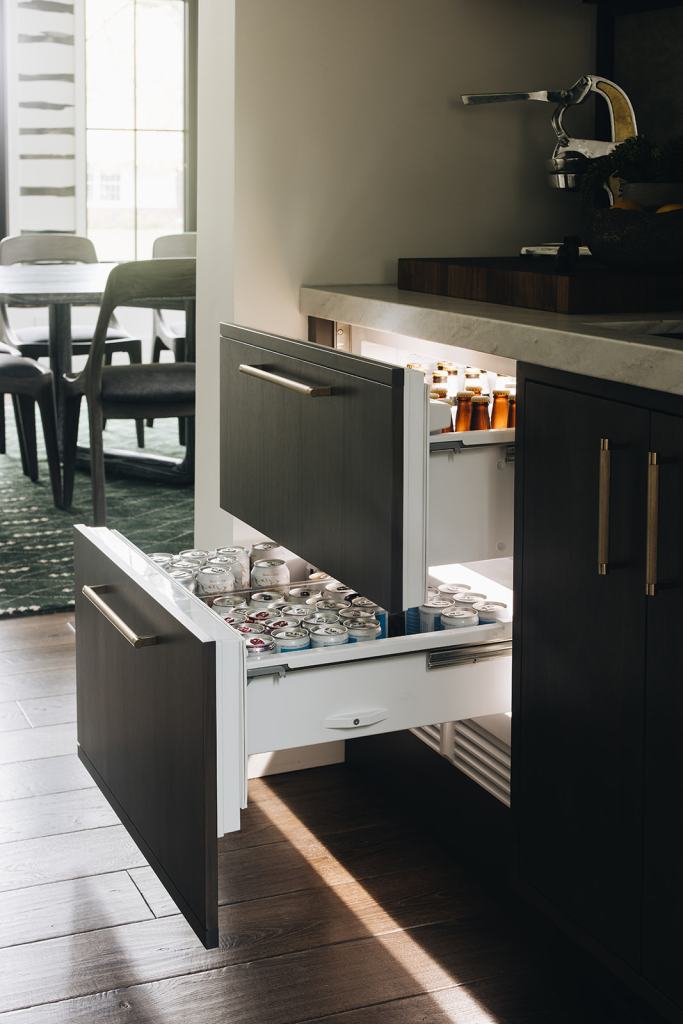
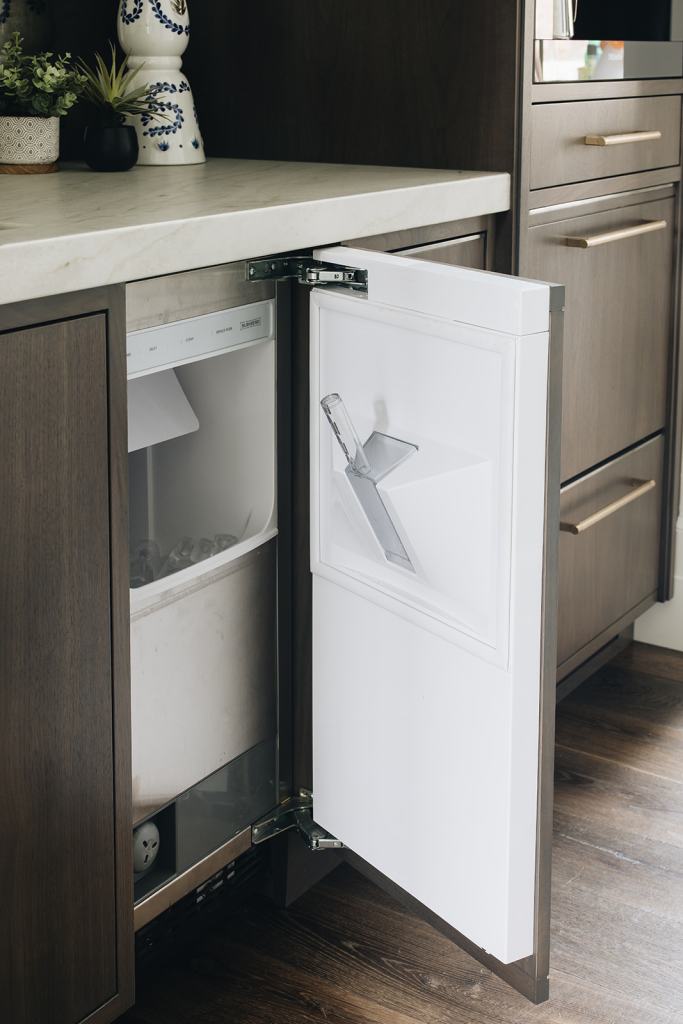
One of the most effective ways to achieve a kitchen that is effortlessly connected to surrounding living spaces in the warmer months is through concealed appliances. By integrating refrigeration and other large appliances seamlessly into surrounding cabinetry, visual clutter is minimized, allowing materials, natural light, and architectural details to take center stage. O’Brien Harris often incorporates fully integrated refrigeration from Sub-Zero Wolf, using custom paneling that matches the cabinetry for a cohesive, furniture-like finish. This approach not only elevates the overall aesthetic but also creates a calm, continuous flow that feels especially suited to the relaxed, open nature of spring and summer living.
Photography by Stoffer Photography Interiors
Beyond aesthetics, concealed appliances support the way a home functions during warmer months. With kitchens often opening directly to patios, outdoor dining areas, or entertaining spaces, maintaining a streamlined look allows the kitchen to transition seamlessly into these adjacent environments. Integrated refrigeration keeps high-performance functionality close at hand without interrupting sightlines, ensuring that hosting feels effortless and intuitive.
Contact O’Brien Harris to discuss incorporating concealed appliances into your next kitchen design project.
A Holistic Indoor–Outdoor Approach

As spring returns, homes that truly invite outdoor living aren’t defined by a single operable wall or terrace, but by a holistic approach—where interior and exterior spaces flow together as a continuous, multisensory experience. One subtle but powerful strategy is extending the same materials across interior and exterior planes, allowing the spaces to read as a single environment. In this beach house by dSPACE Studio, an edited palette of materials flows beyond the window walls, shifting the experience from transition to immersion.
Visit dSPACE Studio for more inspiration.
Using Art to Introduce Warmth

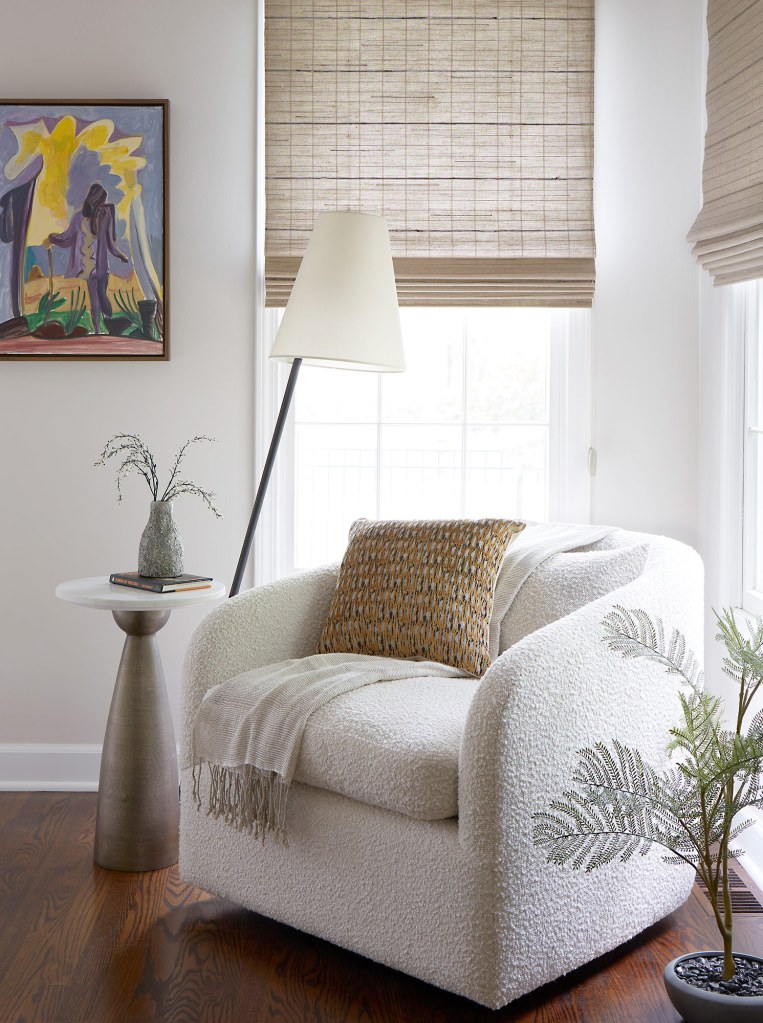
Photography by Cynthia Lynn Photography
Whether introducing a subtle pop or a bold infusion of color, art offers an effortless way to shift a space for warmer weather. According to Epic Interiors, it creates seasonal impact without altering wall color or larger design elements. Against a neutral backdrop, artwork brings brightness, movement, and personality, while in more saturated interiors, it acts as a grounding element that ties the space together.
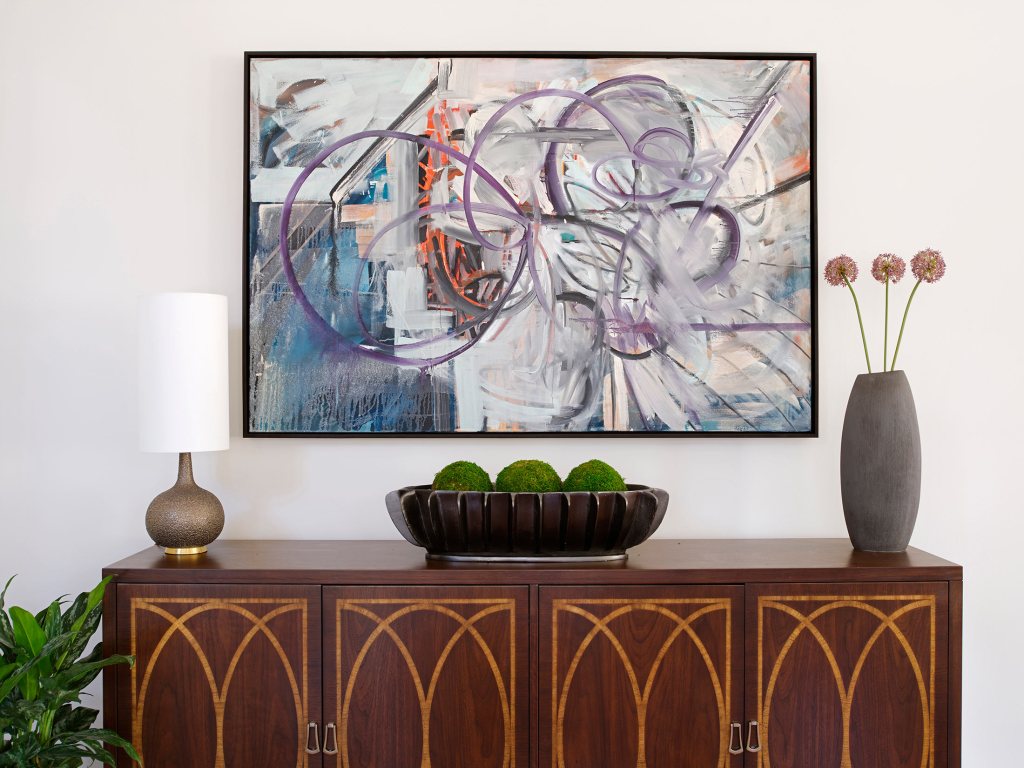
Art brings energy into a room in a way that feels intentional and personal. A citrus-toned work in the kitchen, a gestural abstract above a wood cabinet, or a colorful painting beside a sunlit chair can shift the atmosphere of the space while still connecting to the surrounding materials. The result is a room that feels lighter, more expressive, and ready for warmer weather while remaining grounded and cohesive.
To learn more about how Epic Interiors can help you incorporate art into your design, visit them online.
Extending Living Outdoors
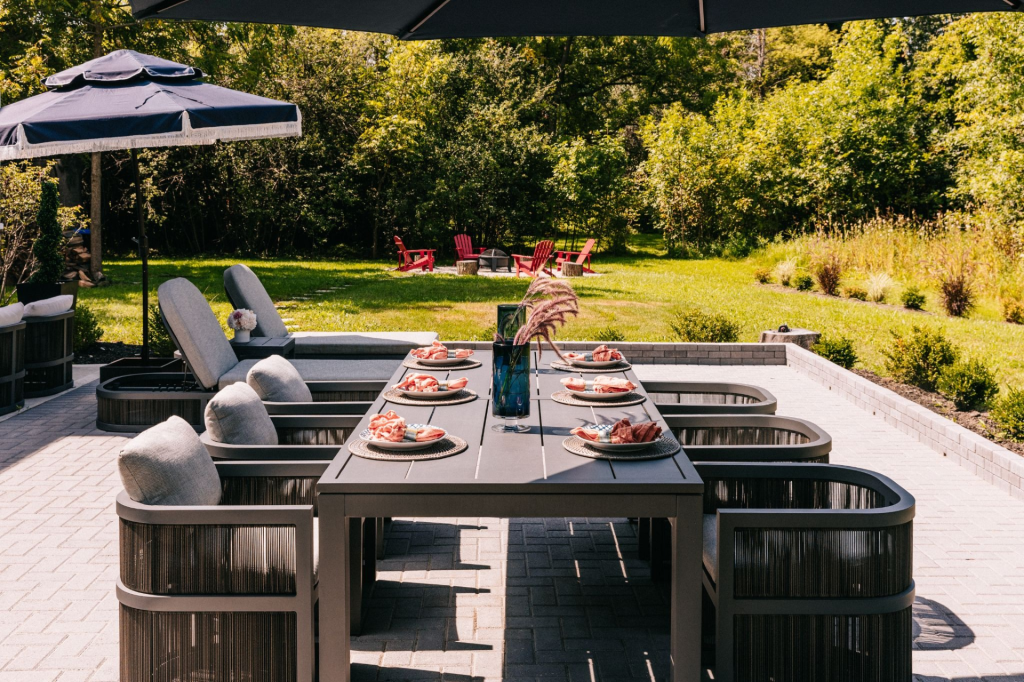
As the seasons shift, warmer weather often inspires homeowners to refresh how they live, gather, and use their spaces. Outdoor areas become an extension of the home, making it the perfect time to reimagine patios, terraces, and backyards as functional spaces for everyday living and entertaining. Comfortable lounge seating, versatile dining pieces, and layered textures can instantly transform an exterior space into one that feels elevated, welcoming, and ready for the season ahead.
At Method Moving, thoughtful transitions are seen as essential to making a house feel like home. Whether relocating across the city or settling into a new space, creating continuity between indoor and outdoor living helps homeowners feel connected, comfortable, and ready to enjoy their next chapter. Seamless design is not only about aesthetics, but about ensuring every space works beautifully for the way people live. To learn more about Method Moving’s approach, visit method-moving.com or connect with their team.
Subtle Shifts, Lasting Comfort

As the seasons shift, the most effective interiors respond with subtlety rather than change. Lighter textures, breathable layers, and a sense of quiet openness allow a space to move effortlessly into warmer weather. In the bedroom, this often begins with the materials closest to the body. Natural fibers and thoughtfully layered bedding create an environment that feels both lighter and more considered, maintaining comfort without excess.
DUXIANA’s Down collection reflects this approach. Down, nature’s finest insulator, offers a unique balance, lightweight yet responsive, adapting to temperature while maintaining a sense of softness and ease. The Barcelona-Light Duvet and Oslo-Soft Pillows, available as part of the DUXIANA Down Starter Set, introduce an airy layer that enhances comfort without weight, while the MicroSpring Pillow pairs gentle structure with a down surround for a more tailored sense of support. Together, these elements allow the sleep environment to transition seamlessly, where comfort feels effortless and the change in season is reflected not in what is added, but in what is refined.
See more by visiting DUXIANA online.
Designing for warmer weather isn’t about a complete transformation, it’s about thoughtful shifts that allow a space to evolve with the season. Whether through material continuity, increased natural light, or subtle layering, these approaches create environments that feel open, adaptable, and connected.
Across the River North Design District, our members demonstrate that seamless transitions are rooted in intention. The most successful spaces aren’t defined by a single feature, but by how every element works together to support the way we live, gather, and move through our homes.