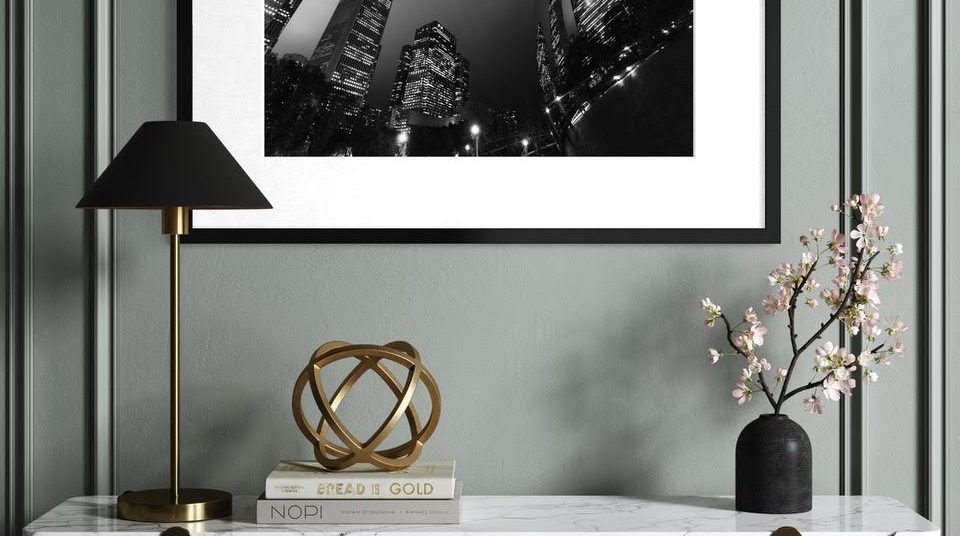
As we look ahead to 2026, one thing is clear: home design is becoming more expressive, intentional, and personal. Across the River North Design District, our members are seeing a shift away from disposable trends and toward spaces that feel layered, tactile, and deeply considered—homes that tell stories through material, color, and craftsmanship. From bold color and vintage revival to quiet luxury and architectural details, these are the design directions our community is most excited about in the year ahead.
Vintage Reimagined as Functional Art
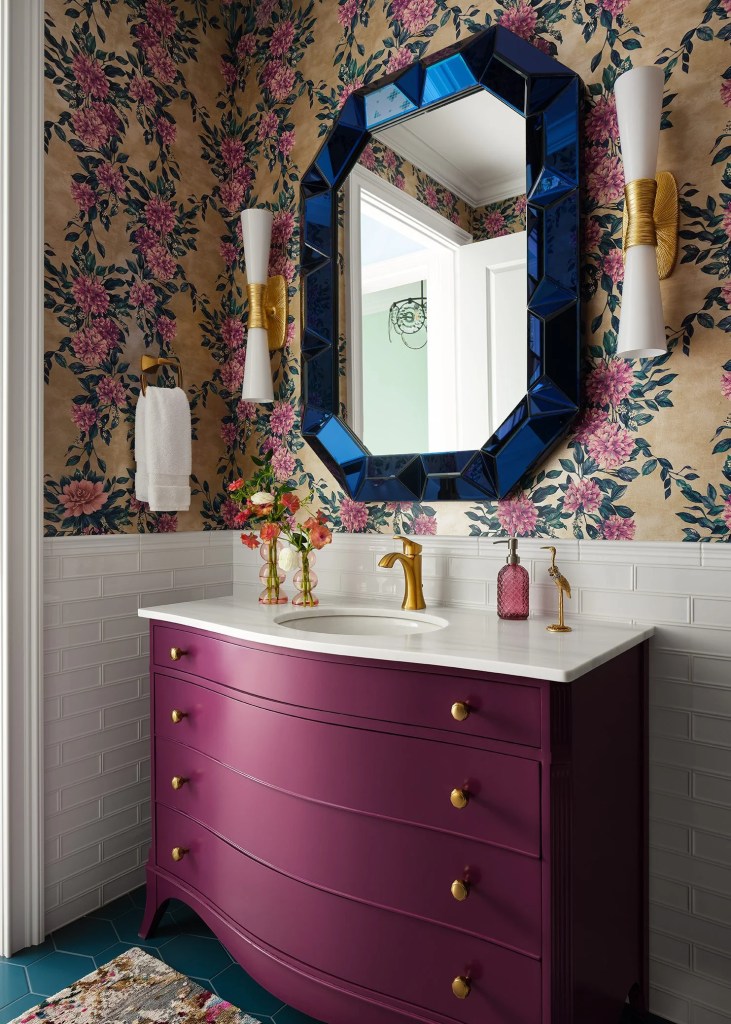
Repurposed vintage pieces are taking center stage in 2026, especially in unexpected places like bathrooms. Sarah Jacquelyn Interiors is embracing the transformation of vintage cabinets into bold vanity statements—proving that bathrooms can be playful, timeless, and deeply personal. Beyond aesthetics, this approach keeps quality craftsmanship out of landfills and reduces the environmental impact of new manufacturing. Finished with elevated hardware and intentional detailing, these one-of-a-kind pieces honor the past while feeling entirely current.
See more of Sarah Jacquelyn Interior’s Sapphire Garden Powder Room here.
The Courage to Mix Stone—and Celebrate Detail
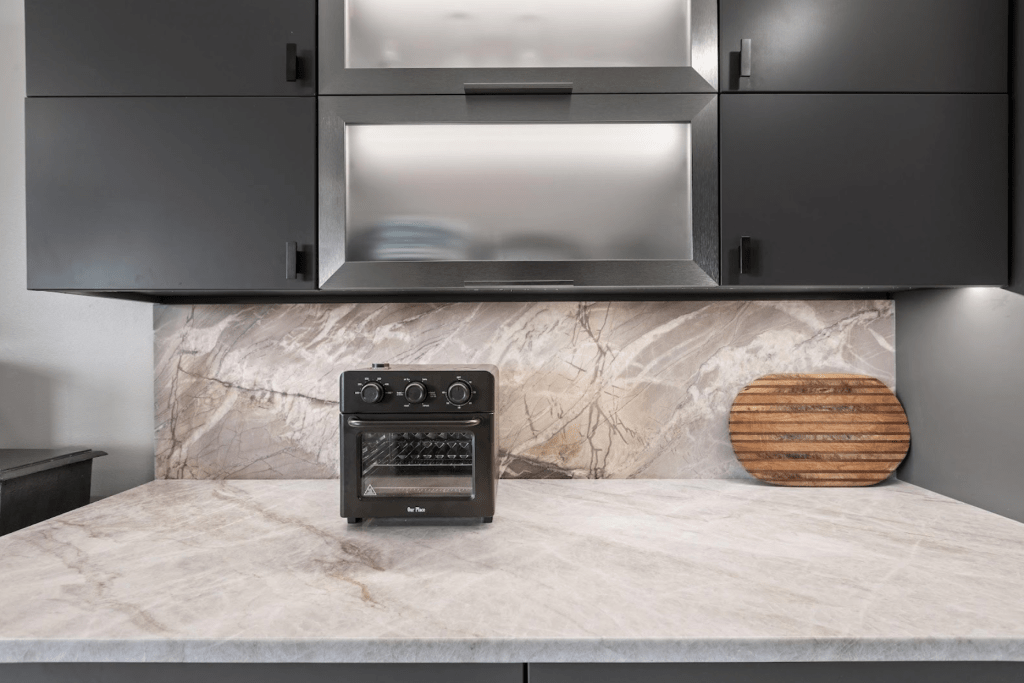
Stone design in 2026 is about confidence and craft. Precision Stone Design is seeing a growing willingness to mix materials—such as pairing Taj Mahal Quartzite countertops with Opulence Honed Quartzite backsplashes—to create layered, sophisticated interiors that move beyond the expected. Alongside this comes a renewed appreciation for embellishment: ridged cuts, concave and convex texturing, metal inlays, and sculptural edge details that turn stone surfaces into focal points rather than backdrops.
Learn more about the materials Precision Stone offers by visiting the website.
Color Drenching, Monochrome, and the Fifth Wall
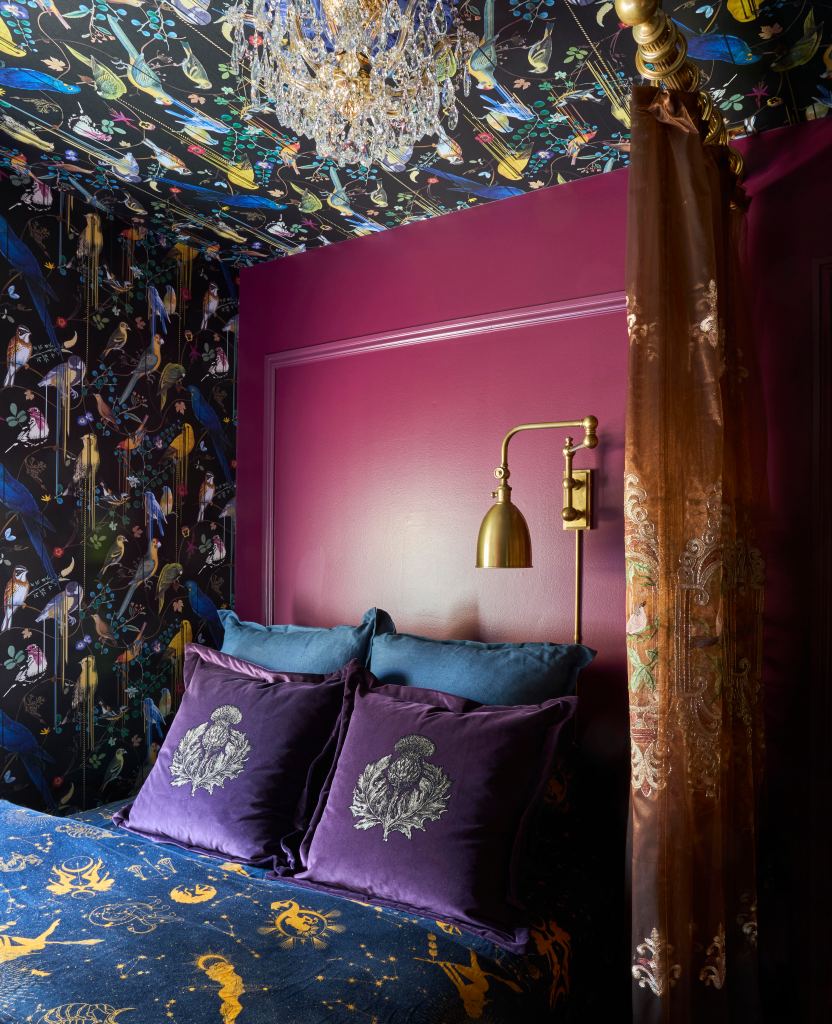

Bold, expressive color continues its rise in 2026, with Jasmin Reese Interiors pointing to jewel-toned color drenching as a defining trend. Monochromatic palettes—where a single hue envelops walls, ceilings, furniture, and drapery—create immersive spaces rich with architectural depth. Another opportunity gaining momentum is the ceiling as the “fifth wall,” finished in wallpaper or contrasting paint to add dimension and surprise. Whether introduced subtly or fully embraced, these color-forward approaches bring personality without overwhelming a space.
Visit Jasmin’s website to see more design inspiration.
Soft Neutrals with Sculptural Presence

Calm, airy palettes are being elevated through form rather than ornament. Arteriors highlights the continued appeal of soft neutrals through sculptural lighting, such as the Tilda Chandelier in white. With its cloud-like silhouette and refined presence, it complements serene interiors while still making a statement. Designed for dining rooms, entryways, and layered lighting plans, this approach proves that quiet luxury can still feel intentional and expressive—and even award-winning.
Arteriors is available through your local Casa Bella rep. Contact Lydia Pomey at Lydiapomey@gmail.com for more information.
Intentional Design That Ages Gracefully


By 2026, intentionality is becoming a defining design value. Photographer Carlos Rivera notes a shift toward spaces shaped by restraint, long-term thinking, and carefully edited elements rather than fast-moving visual trends. Art and photography are increasingly integrated as part of the architectural framework—introducing rhythm, structure, and a sense of place rather than acting as a final decorative layer. This philosophy echoes historic design movements that valued balance, meaning, and civic responsibility, translated into interiors that feel purposeful and enduring.
To learn more about Carlos visit his website.
A Shared Language of Vintage

Looking ahead means looking back. Leah Bolger Design sees vintage as a unifying design language across generations—rooted in authenticity, craftsmanship, and storytelling. From mid-century furniture and antique mirrors to restored Art Deco objects, vintage pieces anchor modern interiors with character and soul. Younger clients are increasingly drawn to these elements, embracing them not as nostalgia, but as meaningful counterpoints to mass-produced design.
For more design inspiration, visit Leah Bolger Design online and explore her ELLE Decor interview on why vintage is having a major design moment.
Framing as a Statement, Not an Afterthought
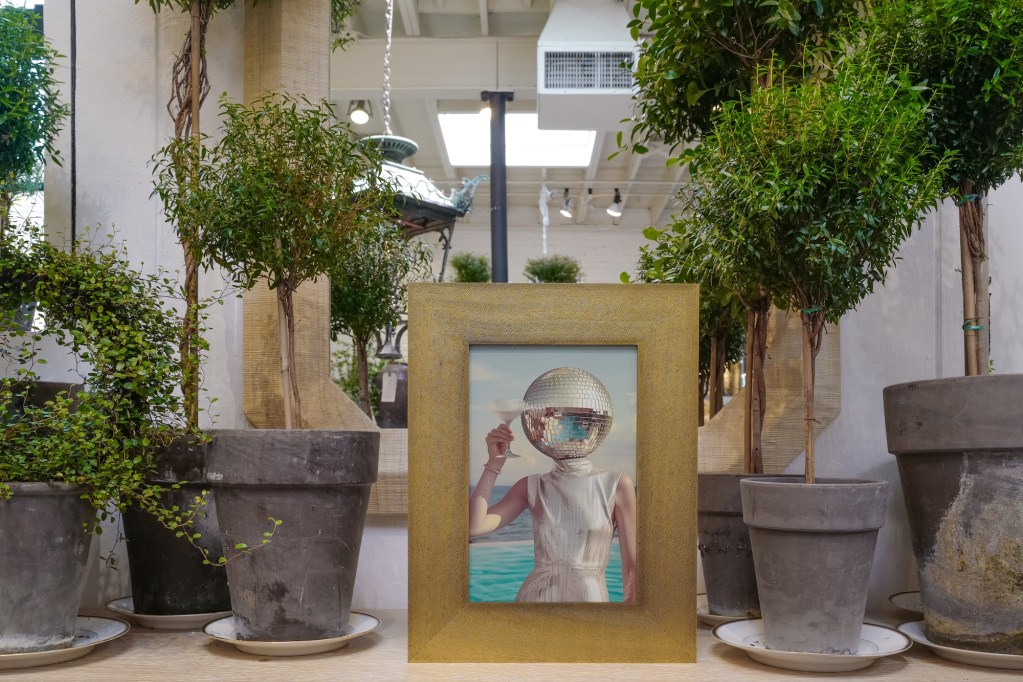
Art and framing are stepping confidently back into glamour. Artists Frame Service is seeing renewed interest in expressive, high-impact framing inspired by old-school Hollywood and 1970s showmanship. Metallic finishes, sculptural profiles, and subtle sparkle transform frames into design moments of their own—proof that sometimes more really is more. In 2026, framing is no longer just support—it’s part of the art.
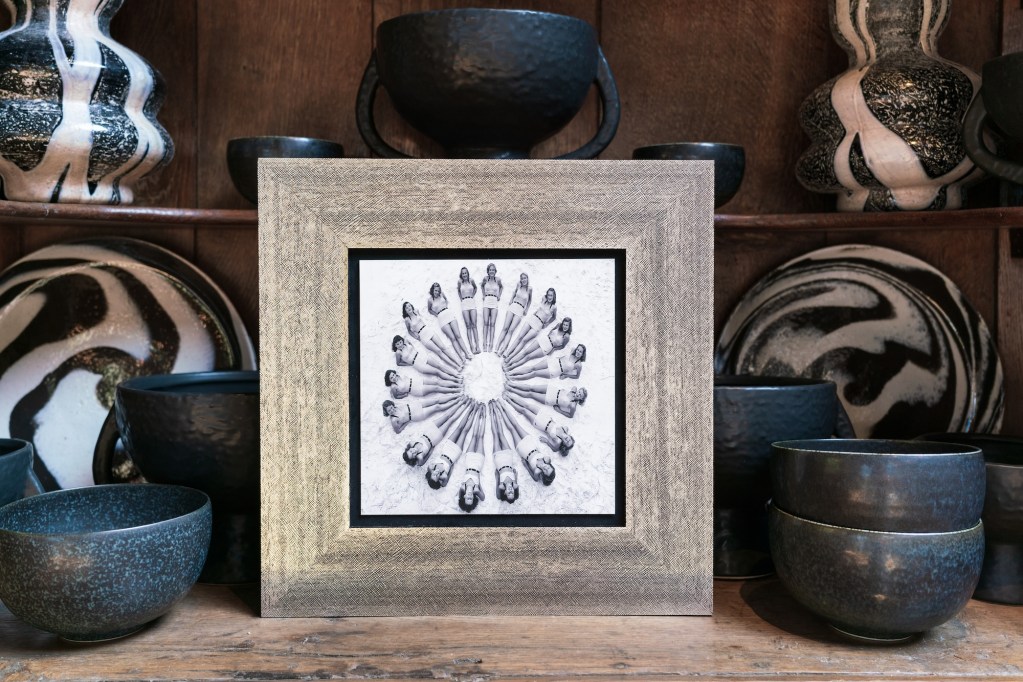
To explore framing as a true design statement, visit www.artistsframe.com.
Steel Interior Doors as Architectural Anchors
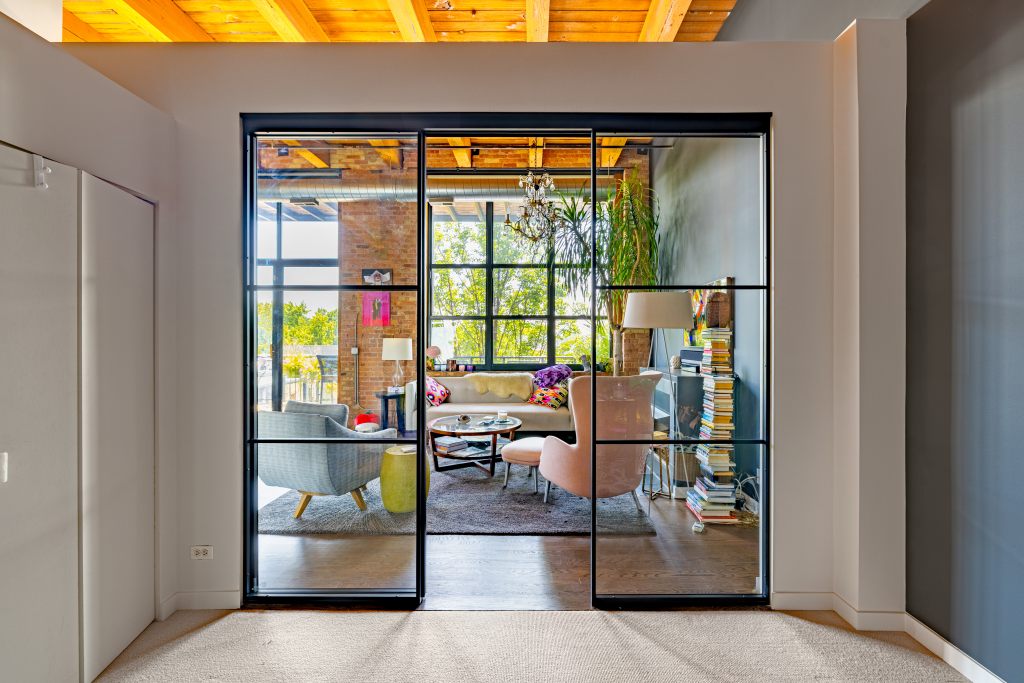
Steel interior doors continue to define refined residential spaces in 2026. Glenview Haus highlights their slim profiles, clean lines, and ability to balance openness with separation—especially in homes prioritizing natural light and spatial flow. Beyond aesthetics, their durability and timeless construction make them a long-term investment, seamlessly fitting into both contemporary and classic interiors.
Learn more about Glenview Haus by visiting them online or at the Chicago showroom.
Tactile Luxury and the Statement Staircase

Minimalism is giving way to texture. Rouzati Rugs is seeing a strong shift toward tactile luxury, particularly on staircases and in entry foyers. Bold animal prints, chunky wool loops, and classic herringbones are transforming high-traffic areas into sensory experiences—adding acoustic warmth and physical comfort. In 2026, if you can’t feel the texture, the space isn’t finished.
To see all the rugs Rouzati has to offer, visit rouzatirugs.com.
Calm Surfaces with Natural Movement
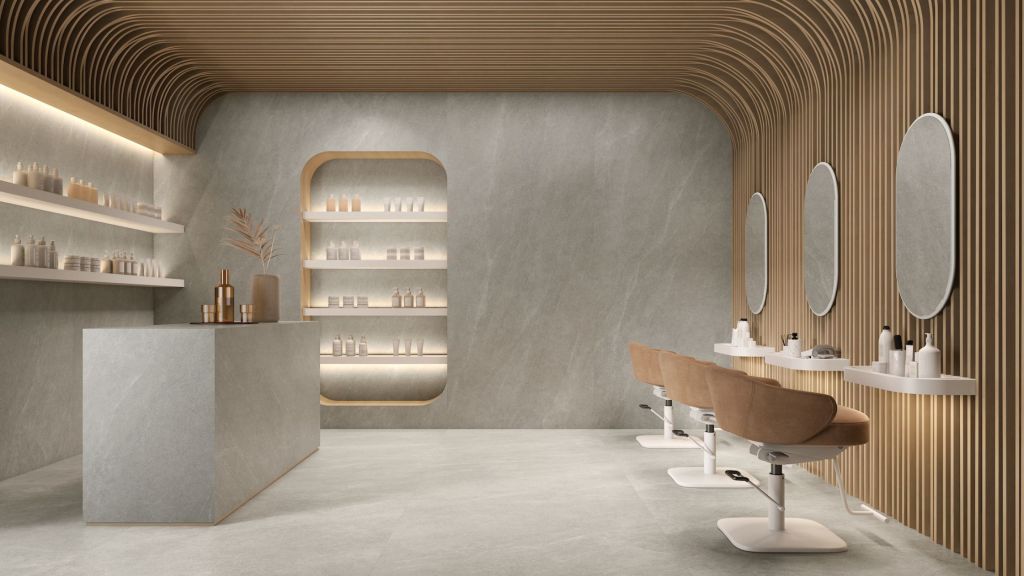
Timeless calm defines tile trends for 2026. Roca Tile points to surfaces inspired by nature—limestone textures, subtle veining, and soft matte finishes that reveal depth under changing light. These materials bring organic movement into interiors while maintaining quiet sophistication, especially when used in large-scale formats that enhance architectural continuity.
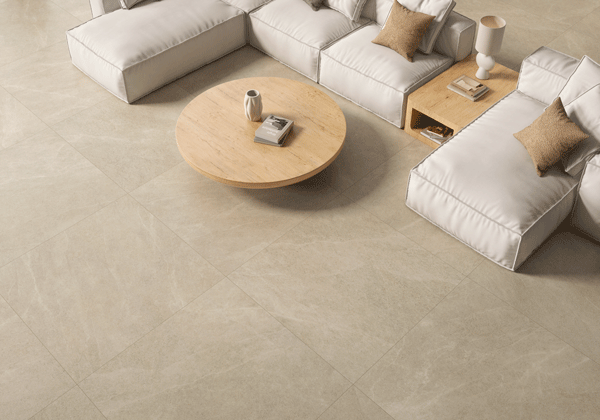
To see more from Roca Tile, visit them online.
The Art of Mixing Metals

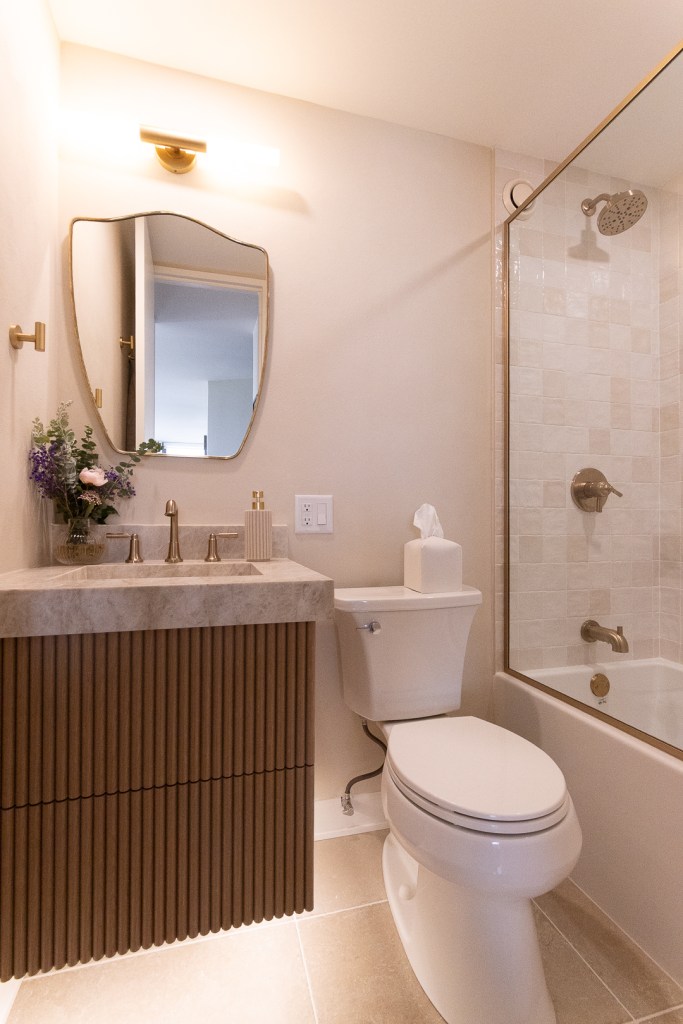
Bathrooms are becoming more layered and expressive through mixed metals. Arete the Art of Design recommends anchoring spaces with a dominant finish, then introducing secondary and accent metals for balance. Pairing warm and cool tones—like brass with chrome—or separating finishes by height creates cohesion without uniformity. The result is a bathroom that feels curated, dimensional, and thoughtfully composed.
To see more design inspiration, visit Arete’s website.
Heritage Maximalism, Collected Slowly
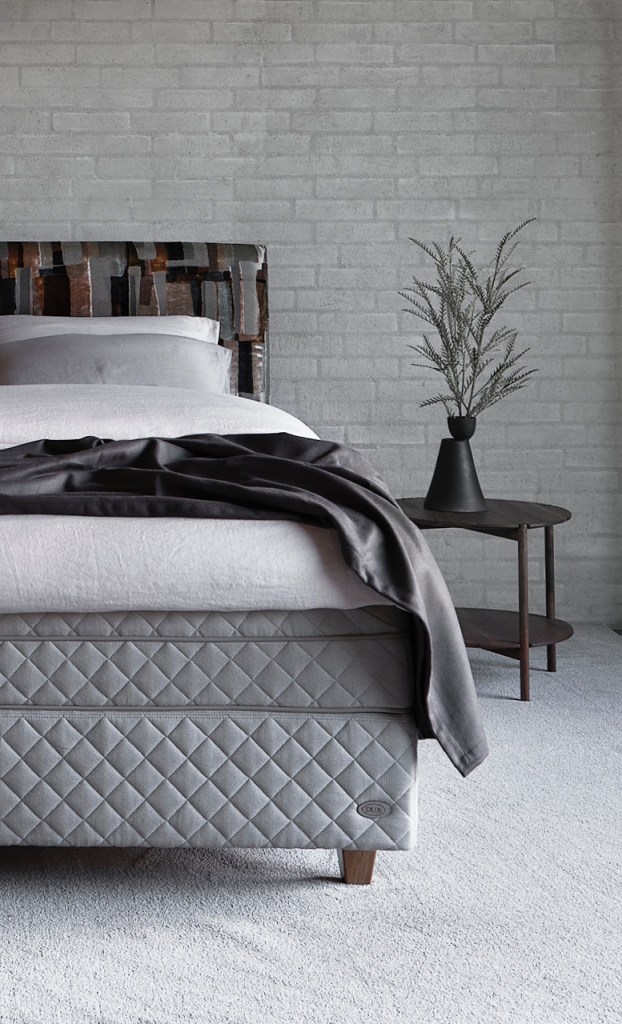
In 2026, maximalism returns with intention. DUXIANA describes a renewed appreciation for heritage, craftsmanship, and expressive layering—spaces that feel collected over time rather than styled all at once. Upholstered seating, sculptural wood pieces, and visible natural materials bring warmth and permanence to interiors. This approach favors longevity and comfort, creating homes designed to be lived in slowly and well.
See more from DUXIANA by visiting them online.
Across the River North Design District, 2026 design trends reflect a shared desire for meaning, materiality, and longevity. Whether through bold color, vintage craftsmanship, tactile surfaces, or intentional restraint, the homes of tomorrow are less about perfection—and more about presence. These trends remind us that great design isn’t just about how a space looks, but how it feels, ages, and supports the way we live.